FEATURES
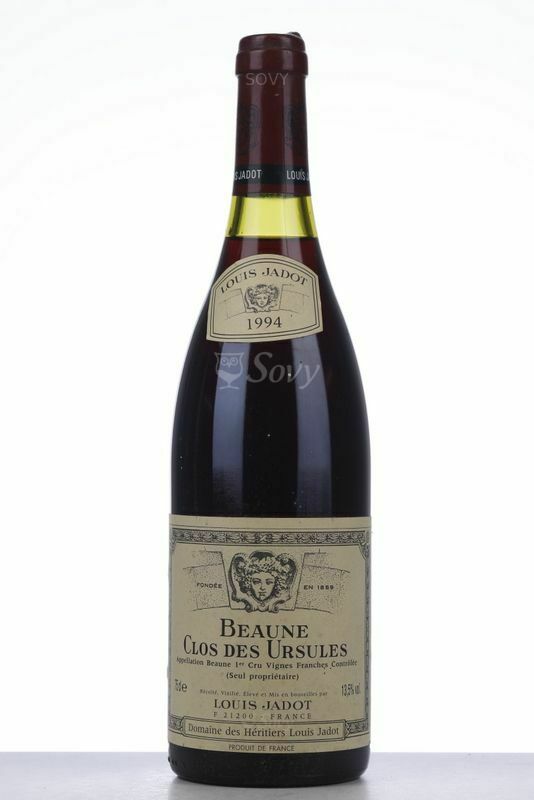
News & Features: The 1994 vintage for Louis Jadot's Beaune Clos des Ursules 1er Cru, a distinguished Pinot Noir from 布根地 (Burgundy), is often considered a challenging year, yet it can offer pleasant surprises for those who appreciate aged wines. While some critics found it lacking depth or past its prime, others noted its potential for elegance after decanting. This wine is a 【flagship red wine of the Jadot range and a historical Burgundian treasure】.
Tasting Notes: Expect a clear appearance with slight bricking, indicative of its age. The nose is strong and fragrant, revealing earthy and spicy notes, with hints of iron and blood. Initially, the palate might present with firm tannins, but with an hour of decanting, it can soften to reveal elegant fruit and a velvety texture. Further notes include red fruit like cherry, strawberry, and raspberry, alongside earthy undertones of leather and forest floor, complemented by oaky nuances of tobacco and clove. It's a full, firm, and rich wine, balancing elegance and power with a long, lush finish.
Food Pairing: This mature 布根地 (Burgundy) red pairs beautifully with delicate meat dishes, such as roasted chicken or duck, and a variety of cheeses. Its earthy complexity also makes it a good match for mushroom-based dishes.
Event Suggestions: This 1994 vintage is ideal for a contemplative evening or a special gathering with fellow wine enthusiasts who appreciate the nuances of aged 布根地 (Burgundy). It's a wine for quiet reflection rather than boisterous celebration, perfect for marking a significant anniversary or a milestone birthday.
Serving Advice: Given its age, this wine requires careful handling. Old corks can be fragile, so consider using a Durand opener or an Ah-So to prevent breakage. Decant gently for about an hour to separate any sediment and allow the wine to open up, as noted by tasters. However, be mindful that very old wines can sometimes fade quickly after decanting, so taste periodically. Serve at a cool cellar temperature, around 16-18°C (60-64°F), to best appreciate its delicate complexities.