FEATURES
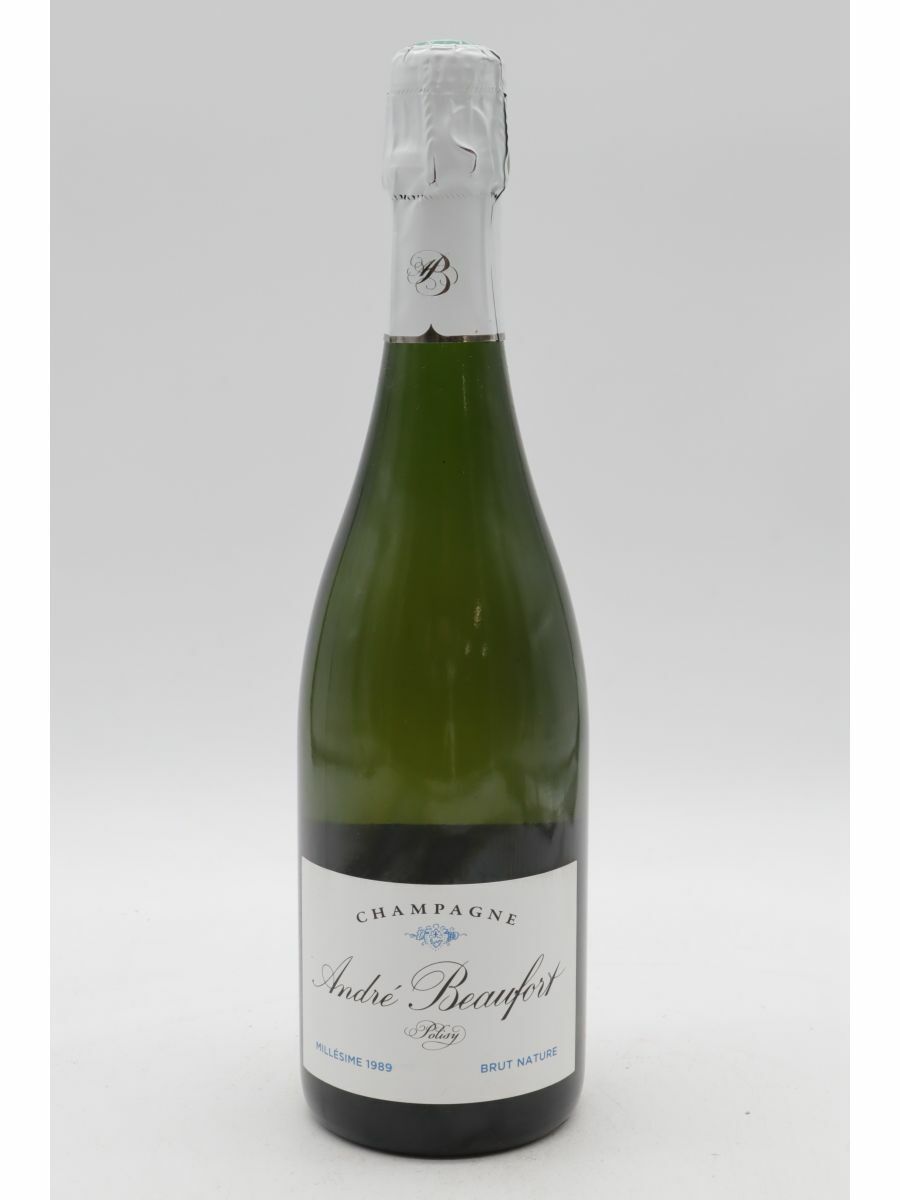
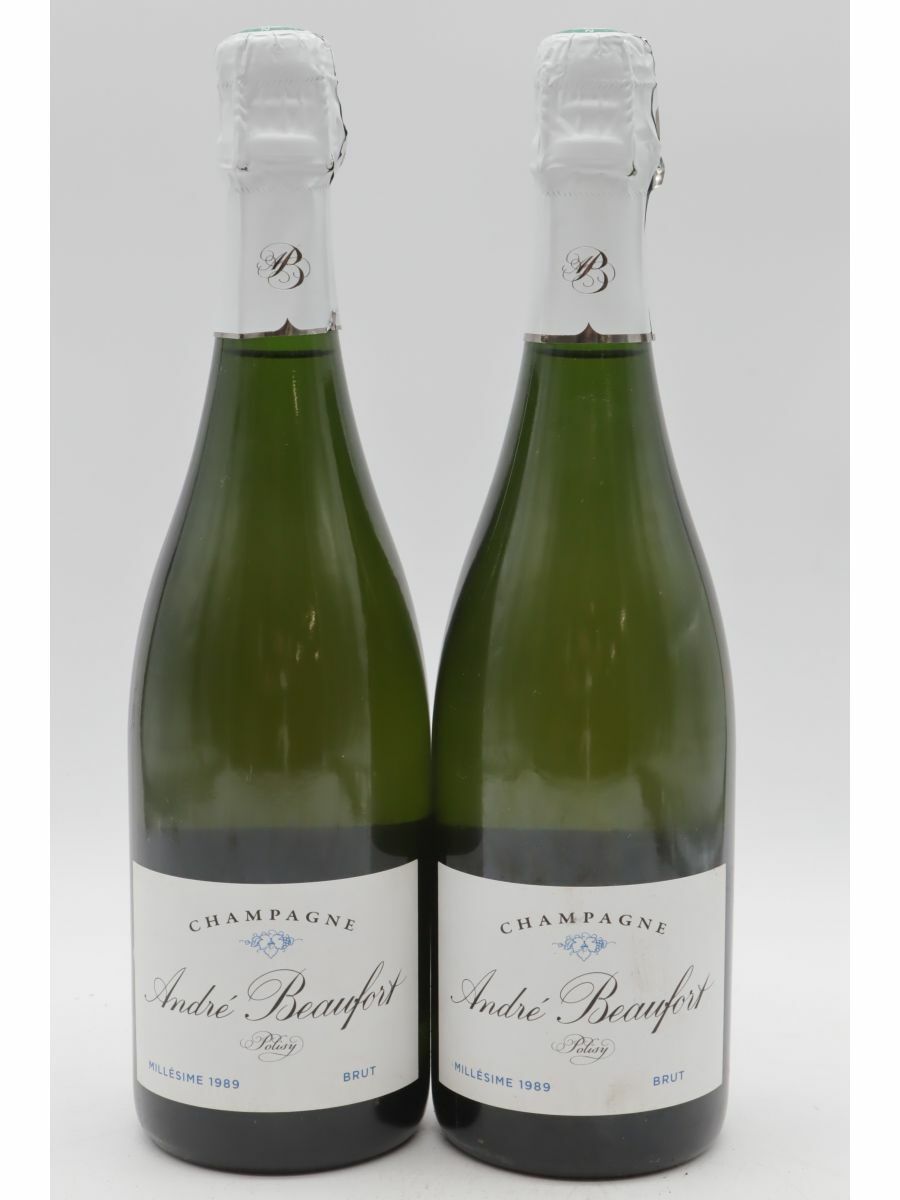
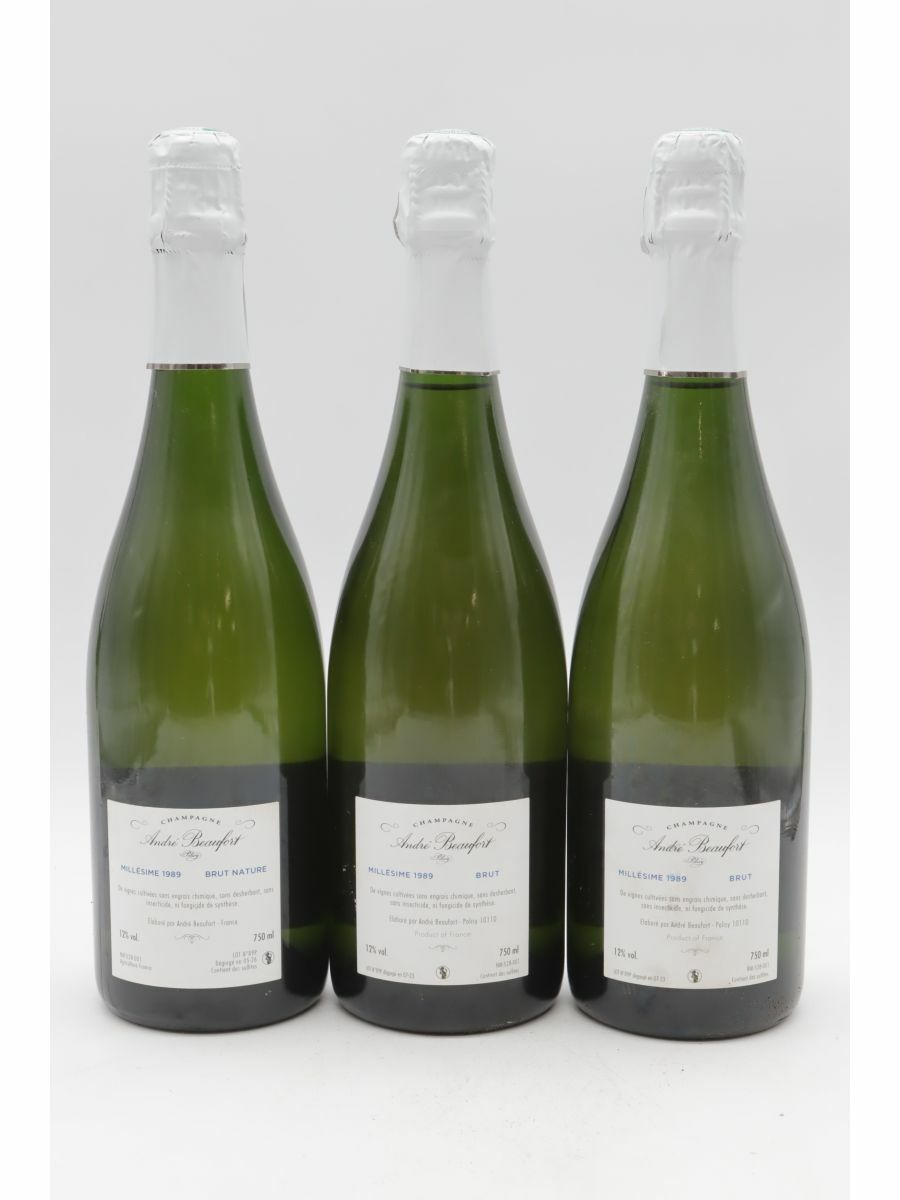
The 1989 Andre Beaufort Polisy Brut Champagne hails from a vintage that saw a mild winter and early spring, followed by heavy frosts in April and a hot, sunny summer. Andre Beaufort is renowned for its commitment to biodynamic and organic farming practices, with champagnes often aged in old barrels and undergoing spontaneous fermentation with native yeasts. This particular 1989 vintage is now showing its age, described by some as being a little tired with sherry-like qualities, suggesting it's past its peak but still offers a luxurious and fine experience for those who appreciate mature Champagne.
【Biodynamic and organic farming practices, handcrafted approach】
**Tasting Notes:** This aged Champagne typically displays a golden amber or amber-pink color with very little mousse left. The nose is often ripe and oxidative, revealing notes of ripe apple, bread crust, savory biscuit, wet chalk, and cooked peaches. On the palate, it offers a very nice balance of sweetness and acidity, with tertiary notes that contribute to a round, good length, and fine character.
**Food Pairing:** Given its delicate and mature profile, it's best paired with something equally delicate. Traditional suggestions for Champagne include shellfish, crab, and lobster. More broadly, it can complement caviar, grilled halibut, smoked tuna, sushi, oysters, and a range of cheeses like aged Gouda or Parmesan, as well as tenderloin, turkey, or duck.
**Fit for Event:** This 1989 Polisy Brut is ideal for a contemplative tasting, a quiet celebration, or an intimate dinner where the unique character of an aged Champagne is truly appreciated. It's a wine for those who seek the nuanced complexities that only time can impart.
**Serving Advice for Older Vintages:** For a Champagne of this age, handle with care. The cork may be fragile, so a two-pronged cork puller or an 'Ah-So' opener is recommended. Stand the bottle upright for at least 24 hours before serving to allow any sediment to settle. Decanting is generally not recommended for old Champagnes as it can dissipate the remaining delicate effervescence and aromas too quickly. Serve slightly cooler than room temperature, around 10-12°C, to allow its complex tertiary notes to shine without being overly chilled.