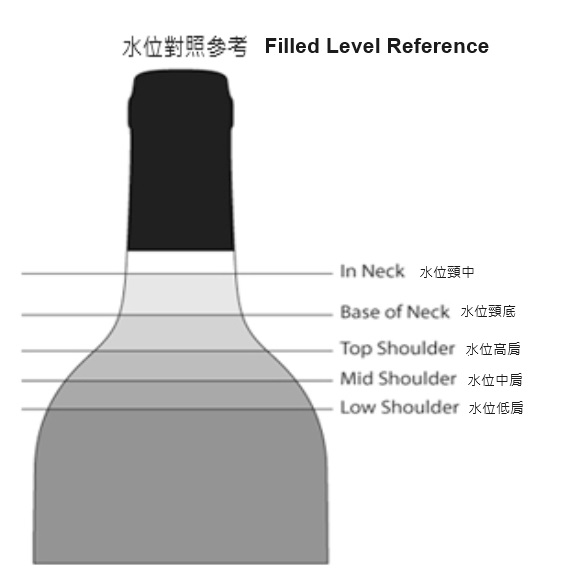
FEATURES
🏰 The 1978 Barolo vintage is widely regarded as a hallowed five-star year, producing some of Piedmont's most structured and long-lived Barolos, made entirely by traditional methods. It stands as one of Piedmont's greatest post-war vintages, earning high ratings from critics for its extraordinary longevity. The growing season was a classic pre-global-warming period, characterized by a cooler-than-average summer following a cool, rainy spring, culminating in a glorious, warm autumn with crucial day/night temperature differentials for Nebbiolo's maturation. The crop was small, yielding concentrated, well-structured wines with initially unyielding tannins. Cantina Mascarello's 1978 Barolo is described as immensely appealing and delicate, with a spiced and balsamic nose, revealing nuanced, sweet fruit that blossoms on the palate with an ethereal, perfumed quality. It shows a deep-pitched bouquet of black cherries, strawberries, grilled meats, dried herbs, licorice, and anise, evolving with extended aeration. This full-bodied, muscular, and layered wine is multidimensional and complete, with a super-concentrated core, rich, powdery tannins, and racy acids, promising a long life for well-stored bottles. With age, Bartolo Mascarello's wines can become quite delicate and Burgundian, yet the 1978 still retains plenty of power and structure. 【One of Piedmont's greatest post-war vintages, still at or entering its peak drinking window, and a benchmark for traditional winemaking】.
🍴 This powerful and complex Barolo would be exceptional with roasted BBQ meats, rich stews, truffle dishes, or aged hard cheeses. Its robust structure can stand up to hearty Western cuisine like braised beef cheek or venison, and it could also complement Eastern dishes such as slow-cooked lamb with aromatic spices.
🥂 This is a wine for a truly special occasion, perhaps a milestone anniversary or a significant birthday celebration, where its historical significance and remarkable longevity can be fully appreciated. It's a testament to traditional winemaking and a collector's dream. For a wine of this age, expect some fragility. The cork and capsule may be delicate, so use a Durand opener or a two-pronged cork puller. Stand the bottle upright for several days before serving to allow any sediment to settle. Decanting for 3-4 hours is highly recommended to allow its full aromatic expression to unfold and to separate any sediment. Serve gently at around 16-18°C (60-64°F) in large Burgundy glasses to fully capture its complex bouquet.
 Last One