FEATURES
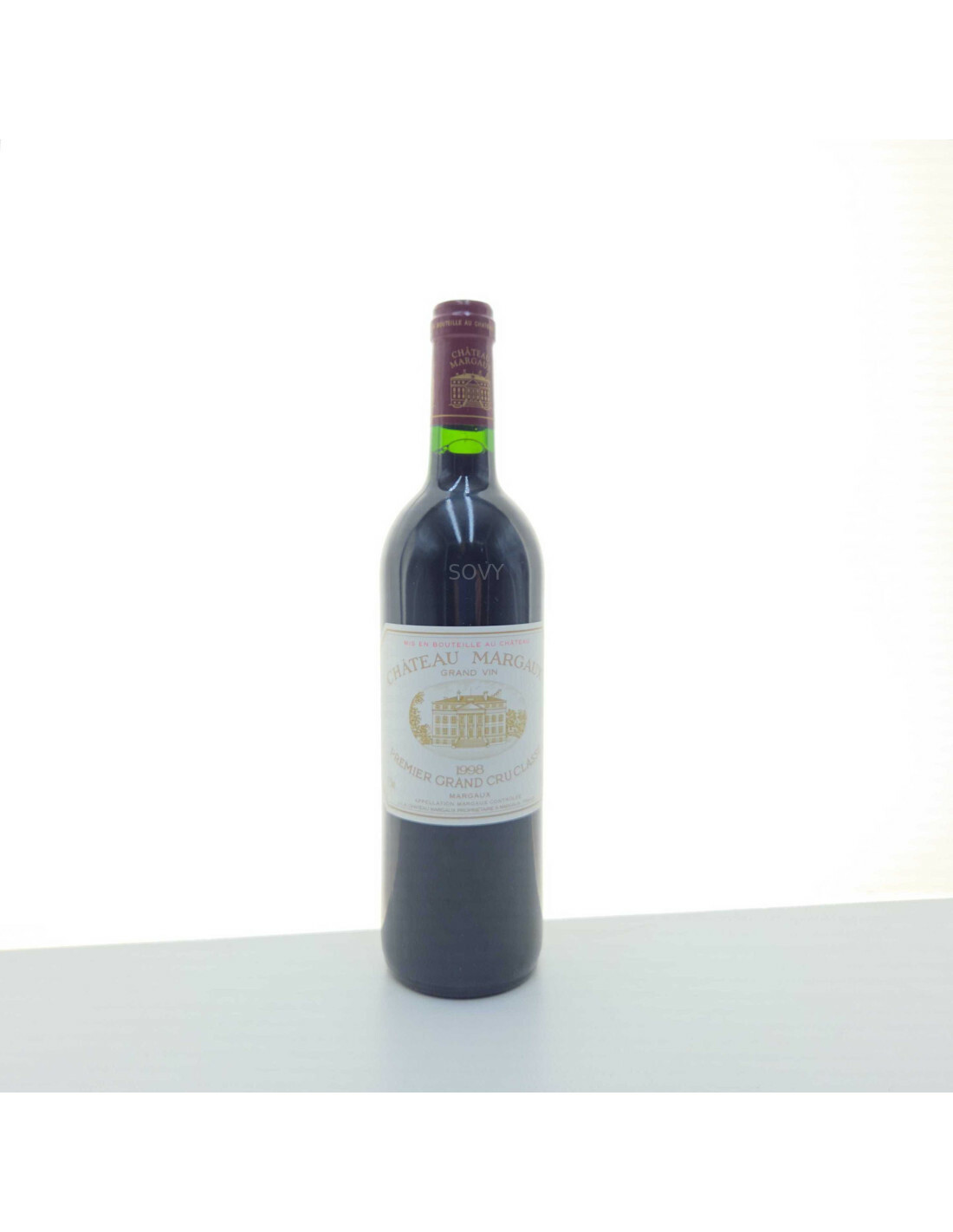
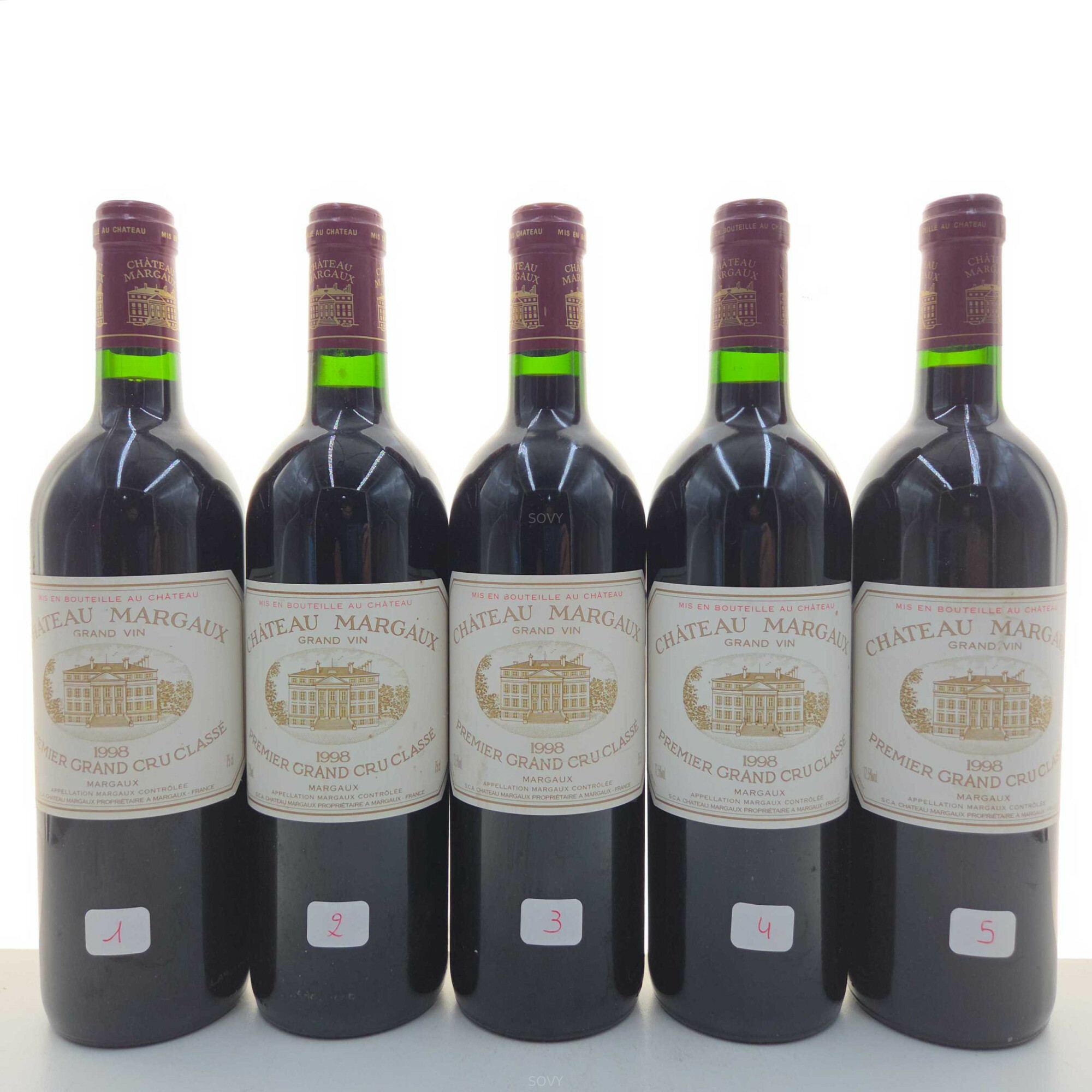
🏰 The 1998 Chateau Margaux is an outstanding Bordeaux wine, a testament to the estate's ability to craft exceptional wines even in a challenging vintage. While 1998 was more favorable to Merlot-dominant Right Bank wines due to late September rains impacting Cabernet Sauvignon, Chateau Margaux managed to create a wine of impressive elegance, finesse, and complexity. It presents a deep ruby red color with enticing aromas of ripe red and black fruits, violets, rose petals, and licorice, complemented by cedarwood, tobacco, and vanilla from oak aging. On the palate, it offers an exceptional balance of power and elegance, with fine, well-integrated tannins and a lively acidity supporting harmonious fruit flavors, evolving with notes of dark chocolate and spices. Robert Parker described it as "tannic and austere, but elegant... built for the long haul." Neal Martin noted its "gorgeous" nose of black cherries, fresh fig, sous-bois, and leather, with a palate that feels more mature, showing secondary notes of sage and black pepper. 【 Its remarkable ability to transcend a challenging vintage and deliver a wine of profound elegance and aging potential 】 is its defining feature.
🥂 This 1998 vintage is now in a beautiful drinking window, offering a luxurious and distinctive experience for connoisseurs. It's ideal for milestone celebrations, a grand dinner, or a special occasion where a mature, complex Bordeaux is desired.
*Serving Advice for Older Wines:* For a 1998 vintage, careful handling is paramount. The cork may be fragile; consider using a specialized opener like a Durand. Decant gently for 1-2 hours to allow the wine to breathe and separate from any sediment, but monitor it closely as very old wines can fade quickly. Serve at a cellar temperature of 16-18°C (60-64°F). Be prepared for potential fragility and enjoy the subtle evolution of flavors.
🍴 Chateau Margaux 1998 pairs perfectly with refined dishes such as veal fillet, game birds, and aged cheeses. It's also a classic match for roast chicken with dried herbs, lamb chops with rosemary sauce, wild mushroom ravioli, and mild cheeses like Brie. Its finesse also allows it to complement modern fare, including many Asian dishes and characterful cheeses.