FEATURES
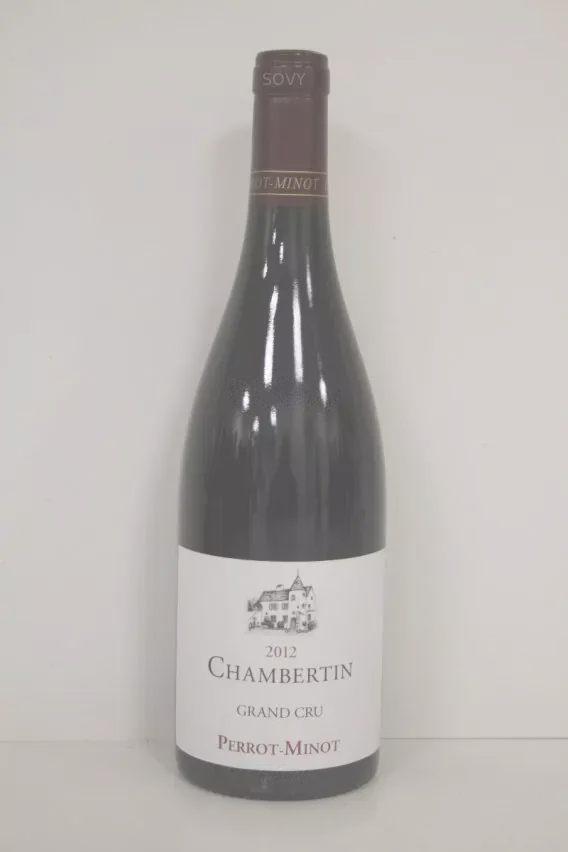
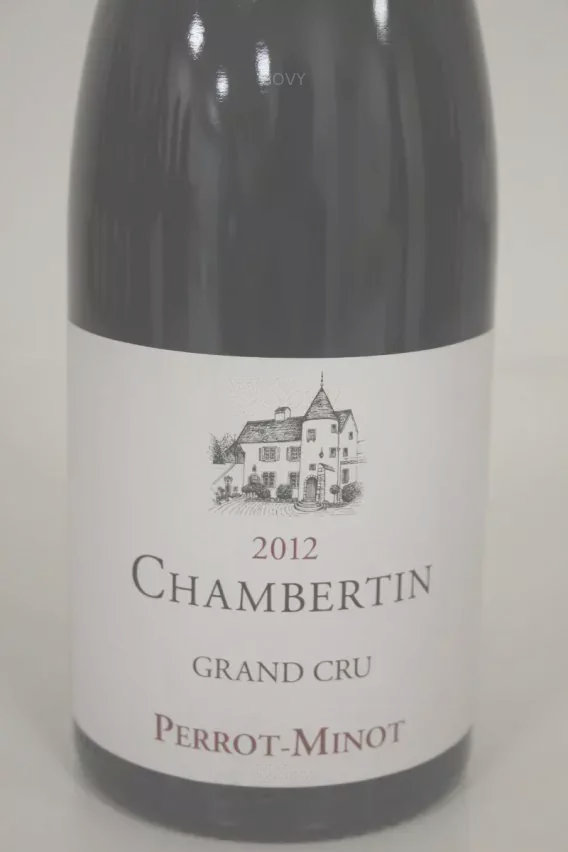
🏰【A beacon of Burgundian resilience, the 2012 Chambertin Grand Cru from Perrot Minot (or similar esteemed producers) offers an ethereal bouquet and supremely fine tannins, emerging triumphant from a challenging vintage.】 The 2012 vintage in Burgundy was marked by challenges like frost, hailstorms, and disease, leading to reduced yields but exceptional quality berries. This Pinot Noir Grand Cru is known for its potential for long-term aging. Expect an ethereal bouquet with pure raspberry, wild strawberry, orange blossom, hints of iodine, and a subtle marine influence. The palate is medium-bodied with supremely fine tannins, a brooding intensity, and a sense of completeness and harmony. Further notes include red fruit interlaced with earthy undertones, minerality, ripe cherries, vibrant raspberries, spice, and floral notes, leading to a lingering finish. Some expressions show dark cherries, forest floor, bergamot, and bay leaf.
🍴 This powerful and elegant red Burgundy is an exquisite match for roasted game, such as venison or wild boar, as well as premium cuts of beef like a perfectly seared fillet. Rich mushroom dishes, especially those with truffles, would also be a sublime pairing.
🥂 An exceptional wine for serious collectors and connoisseurs, ideal for a milestone celebration or a dedicated tasting session to appreciate its evolving complexities and profound depth. This wine will continue to develop beautifully over 20-30 years.
BACKGROUND
Domaine Perrot Minot is headquartered in Morey-Saint-Denis in the Côte de Nuits region, north of Burgundy's Côte d'Or. Red wine is mainly made from Pinot Noir. The history of the winery can be traced back to the "Domaine Merme-Morizot" at the end of the 19th century. In 1993, it was taken over by Christophe Perrot-Minot, who acquired Domaine Pernin-Rossin and its assets in 2000. In 1999, the domaine also began a négociant business, producing wine from fruit from its partner vineyards, including several Grand Cru vineyards in Gevrey-Chambertin. The winery produces wine from seven Grand Cru vineyards, the most famous of which is Chambertin, as well as a series of First Growth vineyards. Yields are strictly limited and green harvesting is done in specific plots, so some vines can only produce five bunches of grapes.